
More Than Just Flipping the Switch
Electricity rate reform is the first step on the path to industrial electrification.


Industry contributed 23 percent of U.S. greenhouse gas (GHG) emissions in 2023, with a significant portion of industrial emissions coming from industrial heating. Commercially available electric technologies, particularly industrial heat pumps, can replace these fossil-fueled systems, delivering significant emissions and health benefits. Yet adoption remains slow, largely because producing heat with electricity is more expensive than using natural gas under current electricity rate structures.
This report analyzes how electricity rate reform paired with targeted incentives can close this cost gap and enable industrial heat electrification at scale. Using detailed state-specific modeling, we find that electricity rates that reflect the marginal cost of consuming electricity dramatically improve the economics of heat pump adoption. Because these rates would be offered only to new industrial heat pump loads, no costs would be shifted to other customers. These results hold true across diverse geographies and applications.
Key findings
- Industrial heat is a major and addressable source of emissions. Low- and medium-temperature heat accounts for a substantial share of industrial fuel use and can be supplied by commercially available electric technologies today. Electrifying this heat cuts both climate pollution and harmful local air pollutants.
Learn More
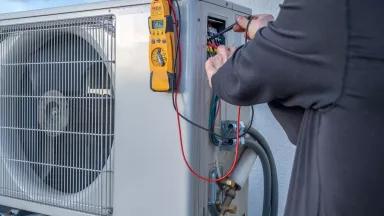

- Current electricity rates create a structural disadvantage for electrification. Industrial tariffs in most states lead to electricity prices that exceed the marginal cost of delivered electricity. As a result, even highly efficient heat pumps, which are often at least twice as efficient as gas boilers, face unfavorable operating economics.
- Marginal cost-aligned rates make a decisive difference. If electricity rates were reformed to align the price of electricity with the marginal cost, heat pumps would become cost-competitive or nearly competitive in many major subsectors, including pulp and paper, breweries, canning, and frozen food.
- Harnessing waste heat could provide significant improvements outside of rate reform. If facilities were to use nonfossil waste heat streams, particularly refrigeration waste heat, heat pump efficiency would improve dramatically, making electrification cost-advantaged, even under many current tariffs.
- Targeted incentives can close the remaining gaps. In industries with higher process temperature requirements or in places with lower-than-average gas prices, marginal cost rates alone may not close the full operating cost gap. However, rate reform sharply reduces the size of the cost gap, allowing incentives—such as a clean heat production tax credit that rewards production of thermal energy with low-carbon technologies—to finish the job at far lower cost.
Related Resources
Accounting for AI: Environmental Transparency for a Responsible Digital Future
Offshore Wind Can Power the Future (If We Just Let It)
