Data, Reports & Resources

NRDC is a leader and trusted source in environmental policy and research. 

From reports to issue briefs, we ensure accountability through peer review led by our Science Office, which provides data and scientific analysis that help shape and guide NRDC’s policies and positions. We also offer a range of other resources, such as 101 guides and consumer-focused scorecards to increase access to knowledge about how everyone can be a catalyst for change. 

Featured Data, Reports & Resources

Viewing 1 - 20 of 21

Who Doesn’t Have a Car?

MapUnited StatesAli Lehman, Samantha Henningson

A new NRDC map shows car-free living and the factors affecting car usage in United States.

New Maps Show Most Congressional Districts Have a PFAS Problem

MapUnited StatesErik D. Olson, Dr. Anna Reade, Susan Lee, Dr. Katie Pelch

Newly released EPA data show widespread toxic “forever chemical” contamination above the safety thresholds that the EPA is now planning to weaken or delay, which will affect 79 percent of congressional districts.

Mapping Destruction

MapUnited StatesJon Devine, Susan Lee, Dr. Matthew McKinzie

GIS modeling reveals the disastrous impacts of Sackett v. EPA on America’s wetlands.

Flooded Again: Flood Data Visualization Tool

MapUnited StatesAnna Weber, Susan Lee, Joel Scata

Repeated flooding affects thousands of communities across the country. Changes to the National Flood Insurance Program can reduce their risk—and help us all adapt to the effects of climate change.

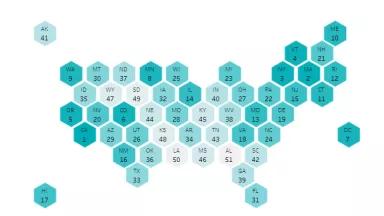
Finding Lead Water Pipes: New NRDC Map Shows the Hot Spots in Every State

MapUnited StatesErik D. Olson, Valerie Baron, Dr. Matthew McKinzie, Susan Lee

Federal and state governments acknowledge the widespread presence of lead pipes throughout the country—NRDC’s new map reveals where they are. The EPA, states, and cities must act now to solve this problem. 

Losing Ground: Flood Data Visualization Tool

MapUnited States
The federal government’s efforts to reduce repeated flooding are not keeping pace with current risk—let alone the increasing risk posed by sea level rise, increased severe weather, and other climate change impacts.

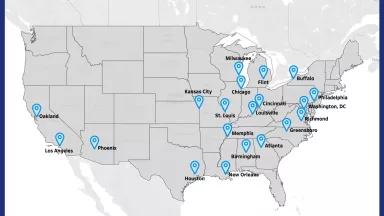
Energy-Burdened Communities Tool

MapLos Angeles, Phoenix, Houston, New Orleans, Birmingham, Atlanta, Memphis, Cincinnati, Louisville, St. Louis, Kansas City (Kansas), Chicago, Milwaukee, Flint, Buffalo, Philadelphia, Washington, D.C., Richmond (Virginia), Greensboro

Energy burden has disproportionately impacted low-income communities of color for decades. NRDC is actively working to bring justice to these communities through this mapping tool.

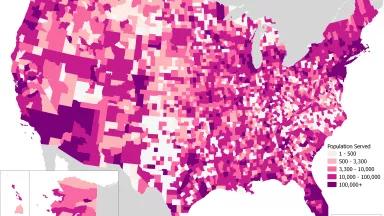
Millions Served by Water Systems Detecting Lead

MapUnited StatesKristi Pullen Fedinick
An analysis by NRDC shows that a staggering 56 percent of the U.S. population drank water from drinking water systems detecting lead levels exceeding safe levels.

Climate Change and Health: Extreme Heat

MapUnited StatesDr. Kim Knowlton

About two-thirds of Americans live in areas with a greater-than-expected number of dangerous extreme heat days, new NRDC analysis finds.