
Here’s How NRDC Is Fighting Back Against the Trump Administration in Court
Case Status
Last Update

For the past half century, NRDC has been suing polluters, regardless of political stripe. And when presidential administrations violate the laws that protect public health and the environment, we take them to court too.
NRDC sued the first Trump administration 163 times, and we have been victorious in nearly 90 percent of the cases that have been resolved. President Trump tried to resurrect the Keystone XL pipeline. We stopped him. He attempted to quash energy efficiency standards. Trump lost in court again. He tried to allow polluters to emit more planet-warming HFCs, and methane, and carbon dioxide. Lost. Lost. Lost. He tried to open areas of the Arctic and Atlantic oceans to oil and gas drilling and delay protections for an endangered bumblebee. Blocked and blocked again.
NRDC’s chief counsel Mitch Bernard walks us through the state of environmental litigation in today’s political climate and how consistency and tenacity has fueled the successes of NRDC’s litigation team over the last 50 years.
Over the course of four years, NRDC thwarted Trump’s anti-environmental agenda time after time—through the rule of law. Now, the second Trump administration has made clear its plans to continue such attacks on the environment, the climate, and our health. NRDC is not backing down.
NRDC’s lawyers are ready to take them on again, for however long it takes, to stand up for our rights to clean air and water, safe food, public lands, healthy communities, and a livable future on this planet.
2026
Fighting for better gas mileage

NRDC is suing the National Highway Traffic Safety Administration (NHTSA) for weakening fuel-economy standards to levels worse than what the average new car on the road already achieves. Two years ago, new fleets of vehicles got 35.4 miles per gallon (mpg). In a backwards move, NHTSA has set Corporate Average Fuel Efficiency (CAFE) standards for 2031 at a mere 34.9 mpg. “Most automakers would not need to make any fuel-economy improvements to meet these new standards,” says NRDC litigator Atid Kimelman. “That’s not what the law demands.”
Upholding protections against climate pollution
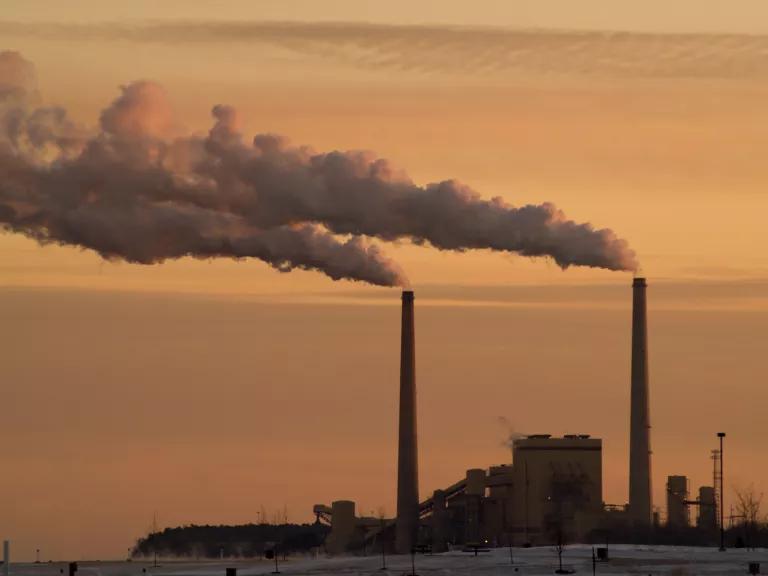
A coalition of public health and environmental groups, including NRDC, sued the U.S. Environmental Protection Agency for repealing its carbon emissions standards for power plants. Finalized in 2024, the rules, which would apply to existing coal-burning plants and new gas-fired ones, would have brought an estimated $390 billion in health and climate benefits.
VICTORY: Trump administration must allow Campbell coal plant to shut down
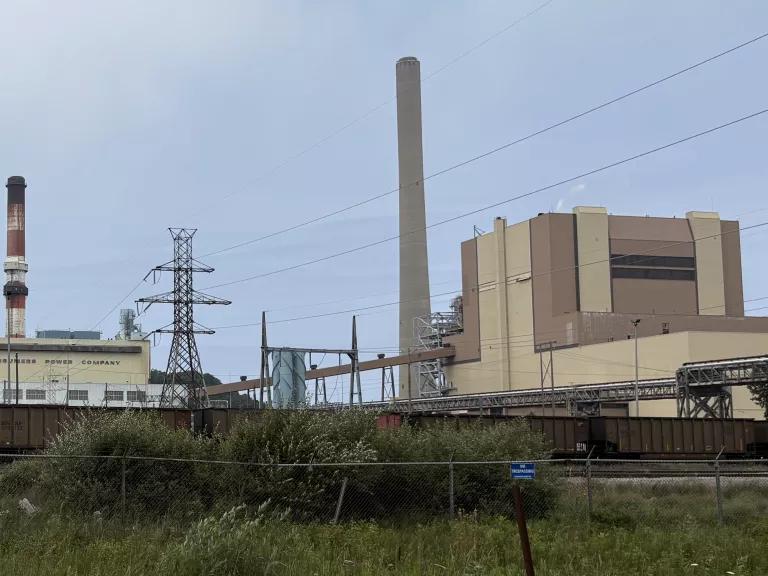
The J.H. Campbell Generating Plant, in West Olive, Michigan
The U.S. Court of Appeals for the District of Columbia Circuit struck down the U.S. Department of Energy’s initial order to force an inefficient coal-burning power plant to stay open. The ruling is one of the first legal wins against the Trump administration’s so-called “energy emergency” orders. Still, since May 2025 onward, the protracted delay to shutter the aging J.H. Campbell plant will cost electricity customers in Michigan and surrounding states upwards of $295 million.
Protecting Utah’s national monuments

Grand Staircase–Escalante National Monument, June 2026
NRDC, along with other environmental groups, sued the Trump administration for gutting Bears Ears and Grand Staircase-Escalante national monuments in Utah. In July, President Trump signed proclamations that shrunk both monuments to less than 10 percent of their prior size, removing protections from more than 2.9 million acres of land. NRDC’s complaints note that under the Antiquities Act, presidents only have the power to create national monuments, not the power to dismantle them. Both monuments protect culturally and scientifically significant landscapes and have widespread public support. This is the second time President Trump has attacked the monuments, having signed similar proclamations in 2017. President Biden fully restored both monuments in October 2021.
Demanding clean air for Cleveland
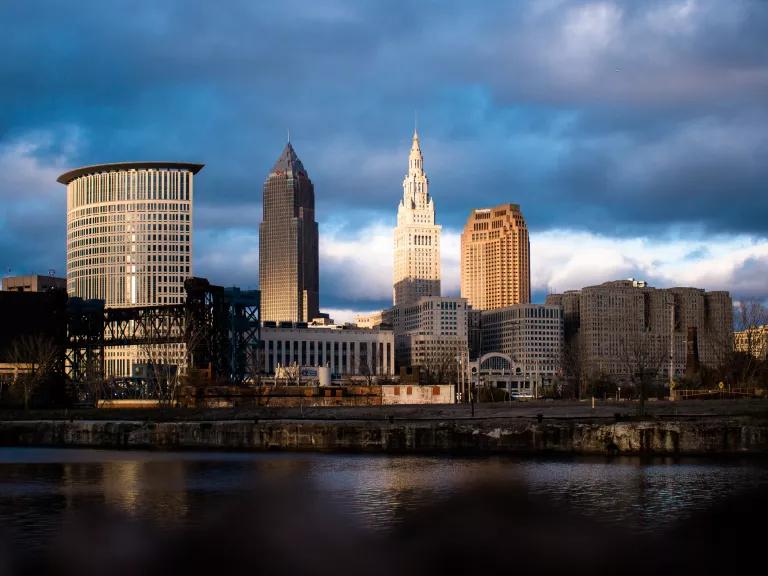
This week saw two lawsuits against the U.S. Environmental Protection Agency (EPA) concerning its illegal mishandling of Cleveland’s smog problem. In the first, NRDC challenges the EPA’s approval of weak smog standards for 10 of the city’s largest polluters. “The technology to cut this pollution exists, it's affordable, and the law requires it. This is an abandonment of the EPA’s most basic duty," says NRDC senior attorney Abi Vijayan. The second lawsuit—brought by a coalition of environmental groups, including NRDC—fights the EPA’s decision to let Cleveland get away with not adequately cleaning up its smog. For starters, the plan to clear the city’s air relies on pollution reductions from federal clean-vehicle standards, standards that the Trump administration has already gutted.
Clearing the air above Hawai‘i’s national parks

A coalition of environmental and public health groups, including NRDC, is challenging the U.S. Environmental Protection Agency’s (EPA) rejection of Hawai‘i’s regional haze state implementation plan. Finalized by the state two years ago, the plan aims to improve air quality around Volcanoes and Haleakalā national parks. To do so, the utility Hawaiian Electric (HECO) agreed to retire coal-burning power plants on the islands of Hawai‘i and Maui instead of updating the plants’ emissions controls. Now, by rejecting Hawai‘i’s plan, the EPA is allowing HECO to break its promise and continue to spew pollution that creates hazy views and threatens the health of park visitors and nearby communities.
Getting super pollutants out of supermarkets

NRDC sued the U.S. Environmental Protection Agency for pushing back the date by which some supermarkets and cold storage warehouses must switch to environmentally safer refrigerants, phasing out their use of hydrofluorocarbons, or HFCs. As greenhouse gases go, HFCs can be hundreds or thousands of times more potent than carbon dioxide. In addition to fueling the climate crisis, the five-year delay would increase HFC prices, encourage illegal imports of these refrigerants, and ultimately, raise grocery bills.
Giving new wind farms a fair chance

Several environmental groups, including NRDC, filed an amicus brief supporting a lawsuit against the U.S. Department of Defense (DOD) for its abuse of a routine review process to thwart development of more than 100 new wind farms across the country. By refusing to review new wind projects, the DOD is jeopardizing around 46,000 megawatts of new generation capacity (enough electricity to power around 14 million homes for an entire year). These projects would provide affordable and reliable power, helping lower electric rates at a time of high demand and rising costs of living.
VICTORY: The IRS must lift its discriminatory restrictions on new solar and wind projects

A U.S. district court ruled that the more stringent requirements for qualifying for federal energy tax credits that the Internal Revenue Service (IRS) placed only on wind and solar projects were illegal. In her decision on the IRS Notice—which made it more difficult, and often more expensive, for solar and wind projects to qualify—Judge Colleen Kollar-Kotelly wrote, “The natural economic consequence of the Notice is less clean electricity generation capacity and higher electricity prices.”
Protecting whales, dolphins, and other mammals from deadly fishing gear

Several conservation groups, including NRDC, sued the National Marine Fisheries Service to block imports from foreign fisheries that do not prevent marine mammals from getting caught in their nets, trawls, longlines, and other gear. Each year in oceans across the globe, more than 650,000 marine mammals die or become seriously injured this way. The Marine Mammal Protection Act requires U.S. fishers to follow measures to reduce such bycatch to insignificant levels as well as to track the incidental killings of marine mammals. The law also calls for a ban on seafood from fisheries abroad—from where the United States gets 80 percent of its seafood—if they do not take similar precautions.
Protecting sea life in the Atlantic’s only marine national monument

A warty octopus on Bear Seamount in the Northeast Canyons and Seamounts Marine National Monument
A coalition of conservationists and environmental groups, including NRDC, sued the Trump administration over its opening of the Northeast Canyons and Seamounts Marine National Monument to commercial fishing. The lifting of fishing regulations within the monument—a unique seascape of extinct volcanoes and deep canyons along the North Atlantic’s continental shelf—threatens the myriad species that flourish there, from endangered whales to 1,000-year-old deep-sea corals.
Fighting against extinction by the “God Squad”

A Kemp's ridley sea turtle hatchling swimming into the Gulf of Mexico
NRDC sued the Trump administration for arbitrarily and needlessly allowing oil and gas projects in the Gulf of Mexico to violate the Endangered Species Act. Earlier this week—the so-called God Squad, a Cabinet-level committee that has not been convened in more than 30 years—voted in favor of the exemption, which risks forever wiping myriad species, including whales, seabirds, manatees and sea turtles, off the face of the planet.
Keeping toxic emissions out of the air
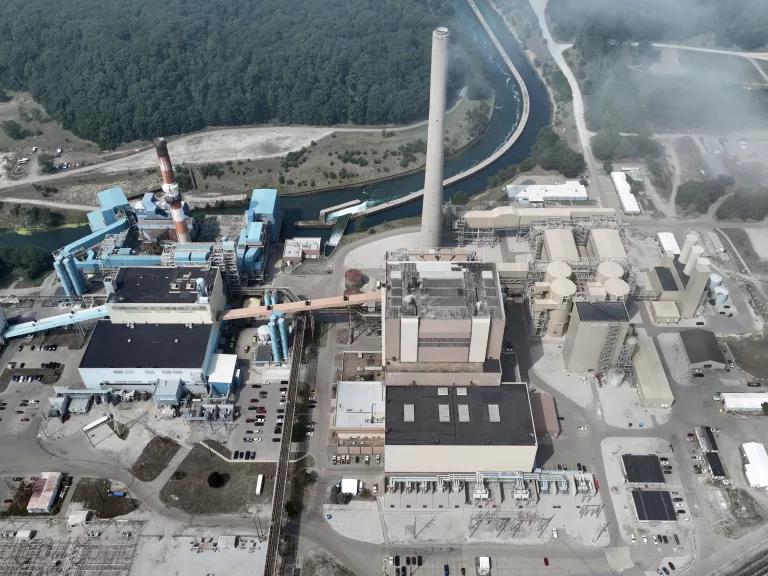
A large coalition of health, community, and environmental groups sued the U.S. Environmental Protection Agency (EPA) for violating the Clean Air Act by repealing rules that limit the emissions of fine particulate matter and toxic heavy metals, such as mercury and lead. For more than a decade, the Mercury and Air Toxics Standards have been a huge boon to public health, lowering risk for cancer, asthma, and heart disease and decreasing emissions of the neurotoxin mercury by a whopping 90 percent from coal-burning power plants. The lawsuit also challenges the agency’s rollback of continuous emissions monitoring, which provides nearby communities with data on the amount of pollution coming out of power plants in real time.
Making sure the EPA values your life in its air pollution decisions


Several groups, including NRDC and the American Lung Association, sued the U.S. Environmental Protection Agency (EPA) over its newly adopted standards for nitrogen oxide (NOx) emissions from fossil fuel–burning turbines, which contribute to smog, respiratory disease, and premature death. In setting these weak NOx standards, the agency deliberately didn’t factor human health into its cost-benefit analysis of them. The exclusion not only departs from the agency’s past rulemaking practices, but it also conflicts with the EPA’s core mission to “protect public health.”
Fighting climate pollution’s impact on human health
NRDC federal climate legal director Meredith Hankins explains why the endangerment finding is so critical to our fight against climate change and how the EPA’s repeal of it not only goes against overwhelming scientific evidence but also has no legal standing.
NRDC, alongside more than a dozen other health and environmental groups, sued the U.S. Environmental Protection Agency (EPA) and its administrator, Lee Zeldin, over its illegal rescission of the 2009 endangerment finding. The finding, in which the EPA scientifically concluded that climate change imperils public health, gives the agency the authority to regulate climate emissions, such as from cars and trucks.
Stopping LNG exports from raising energy bills and destroying the climate
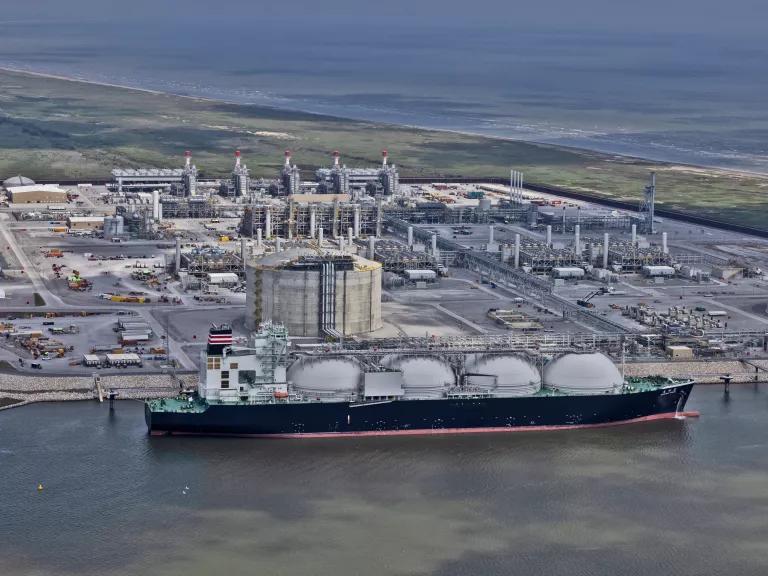
NRDC, along with other environmental groups, sued the U.S. Department of Energy (DOE) for greenlighting the future export of 20 million metric tons of liquefied natural gas (LNG) each year from a massive facility currently under construction on the Louisiana coast. The lawsuit argues that in its approval of the LNG export from the Venture Global Calcasieu Pass 2 export terminal, the DOE not only failed to conduct an adequate environmental review but also insufficiently analyzed how such a large glut of LNG would affect global climate change and influence energy prices for U.S. consumers.
Shielding people and wildlife near the Great Lakes from mercury exposure

Emissions rising from Cleveland-Cliffs' Northshore Mining taconite plant on Lake Superior in Silver Bay, Minnesota
NRDC and the Minnesota Center for Environmental Advocacy sued the Trump administration over its illegal exemption of the taconite iron ore industry from a rule that would protect communities and ecosystems in the Upper Great Lakes region from acid gases and mercury, a potent neurotoxin. Facilities that process taconite, which is used in steelmaking, are responsible for almost half of Minnesota’s mercury emissions, which lead to contaminated waterways and fish consumption advisories, and adverse impacts on human health.
Protecting communities from cancer-causing pollution

A Sterigenics facility located beside a neighborhood in Vernon, California, is one of the sterilizers exempted from the EtO rule.
NRDC and the Southern Environmental Law Center, representing several environmental justice groups, sued the Trump administration over its illegal exemption of 40 sterilization facilities from a rule that would cut emissions of a carcinogen called ethylene oxide by 90 percent. Some of the facilities—a disproportionate number of which are located in low-income areas and communities of color—pose a lifetime cancer risk 60 times higher than what the U.S. Environmental Protection Agency would already deem “unacceptable.”
VICTORY: Trump administration must unfreeze EV infrastructure funds
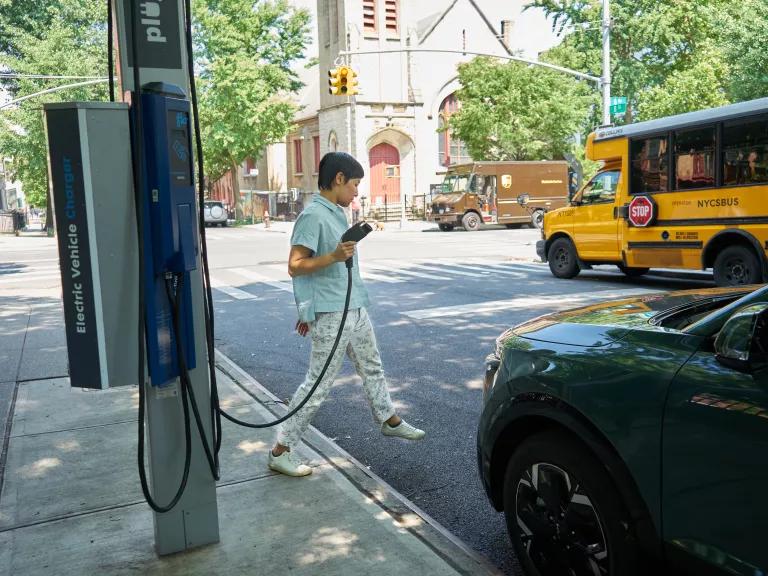
A U.S. District Court ruled that the U.S. Department of Transportation must reinstate the National Electric Vehicle Infrastructure (NEVI) program that it had unlawfully suspended in May 2025. The lawsuit—brought by 20 states and the District of Columbia, along with advocacy organizations including NRDC and the Sierra Club—successfully defended the $5 billion program that aims to build EV charging stations across the country .
Defending the Arctic National Wildlife Refuge from drilling

Alaska's Arctic National Wildlife Refuge, June 23, 2025
NRDC and other environmental groups renewed and built upon a 2020 lawsuit against the first Trump administration’s attempts to auction off the Arctic National Wildlife Refuge to fossil fuel companies. Reinstated by the U.S. Department of the Interior in October, the administration’s leasing program would open the Alaskan refuge’s 1.56-million-acre Coastal Plain to oil and gas development, threatening vital habitat for polar bears, caribou, wolves, muskoxen, and millions of migratory birds as well as sacred lands of the Gwich’in.
Demanding answers on cuts to industrial innovation

NRDC sued the U.S. Department of Energy (DOE) for violating the Freedom of Information Act. The DOE has not responded to two requests for information regarding its decision last year to end funding for programs within the Office of Clean Energy Demonstrations, which helps polluting industries adopt cleaner technologies and innovations.
2025
Saying no to free passes for big polluters, steel industry edition
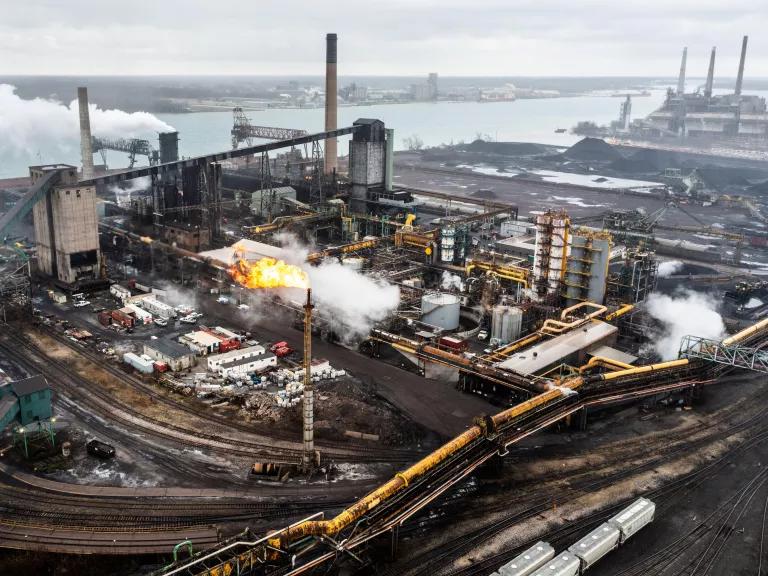
Emissions rising from the EES Coke Battery facility on Zug Island in River Rouge, Michigan
A coalition of several NGOs, including NRDC, sued the Trump administration for illegally exempting the coke oven industry from rules that would protect nearby communities from toxic air emissions, such as mercury, lead, and benzene. The 11 facilities—operating in seven states from Michigan to Pennsylvania to Alabama—heat coal at high temperatures to produce coke, which is used in steelmaking, but their business-as-usual practices are highly polluting and put people at elevated risks for various health conditions, such as cancer. Now the Trump administration wants to allow those operations to continue, despite the availability of technology to mitigate their harmful impacts, for another two years.
Fighting discrimination against wind and solar

NRDC, as part of a broad coalition of groups from across the country, sued the Internal Revenue Service and the U.S Department of Treasury over a new policy that places unfair restrictions on wind and solar projects. To qualify for federal energy tax credits, companies typically must prove they have begun construction by starting physical work or by spending 5 percent of their project’s budget before the credits expire. But without providing any explanation, the Treasury Department’s policy eliminates the 5 percent standard for solar and wind companies, while leaving it in place for other energy sources. The move illegally obstructs these affordable energy options from coming online at a time of increased demand and rising electricity prices.
Unfreezing funds for EV charging stations

Several environmental groups, including NRDC, sued the U.S. Department of Transportation for withholding $2.5 billion through a federal grant program for infrastructure projects that include electric vehicle charging stations in communities and transportation corridors. Earlier this year, the Trump administration illegally froze most of the $1.8 billion that had already been awarded to around 140 projects around the country, which are now in limbo. Such charging infrastructure would help lower vehicle emissions and improve air quality in local communities, a major health concern in areas with high car and truck traffic.
Fighting to uphold air pollution laws (again)

For the second time this year, a coalition of 13 nonprofit groups, including NRDC, sued the U.S. Environmental Protection Agency for its delay in implementing rules that would limit emissions of methane, a powerful greenhouse gas. The standards, which were updated last year, would not only help curb dangerous climate pollution and protect public health but also prevent the wasting of billions of dollars worth of natural gas through the industry’s leaks, venting, and flaring.
Stopping the fast-tracking of fossil fuels to power AI
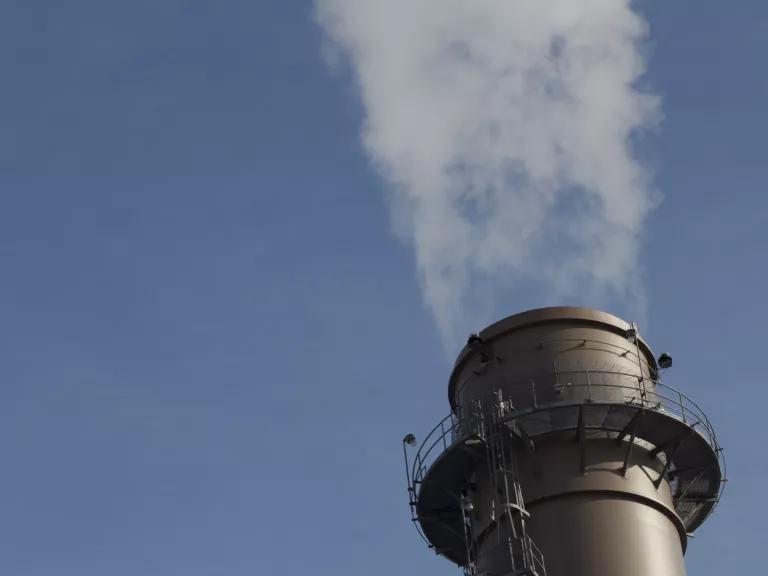
Several environmental groups, including NRDC, are challenging FERC’s decision permitting the Midcontinent Independent System Operator (MISO) to allow mostly fossil fuel–burning projects to skip the line when hooking up to its grid. Although it says it needs to fast-track these connections to meet increases in power demand, including for incoming AI data centers, MISO would let these plants pass over renewable energy projects that have been waiting for years and that would also generate cheaper electricity. By favoring more expensive natural gas, MISO would have its customers—tens of millions of people from Minnesota to Mississippi—make up the difference through higher utility bills.
Halting an illegal offshore oil and gas lease sale

An offshore oil rig in the Gulf of Mexico
Several environmental groups, including NRDC, are suing the Trump administration to stop the auctioning off of 80 million acres of the Gulf of Mexico for fossil fuel exploration and extraction. In finalizing the sale, slated for December, the Bureau of Ocean Energy Management violated the National Environmental Policy Act by failing to complete an environmental review, putting coastal communities, endangered wildlife such as the Rice’s whale, and the gulf itself at risk.
Making sure the math is mathing on grid reliability
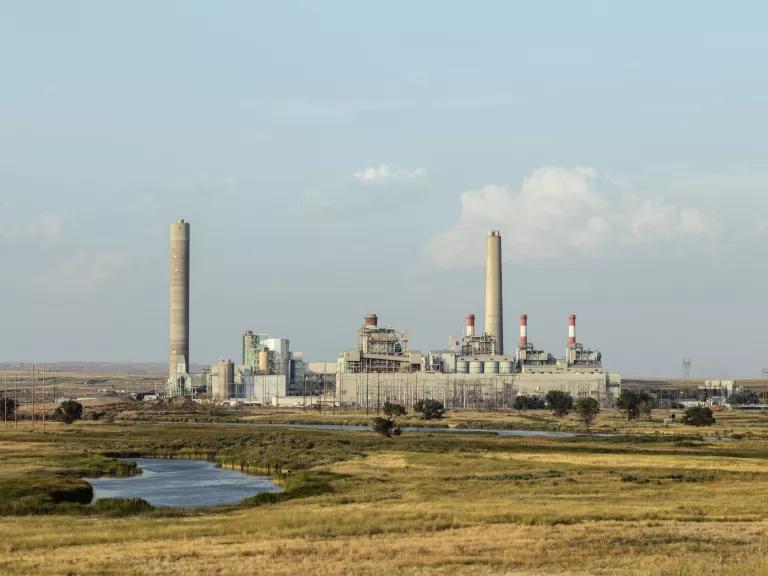
Environmental groups, including NRDC, are challenging the Federal Energy Regulatory Commission’s approval of a grid planning proposal that inaccurately assesses power sources, favoring fossil fuels over renewable power. In its evaluations concerning grid reliability, the Southwest Power Pool (SPP), which serves 14 states, holds generators of renewable power, such as wind and solar, to a higher standard than it does coal and gas. SPP’s proposal also fails to fully account for the dismal performance that fossil fuel plants have demonstrated during recent extreme winter and summer weather in the region. Such miscalculations could not only lead to less reliable electricity but also in higher bills for ratepayers.
Making sure a zombie gas pipeline stays dead

NRDC—as part of a large coalition of nonprofits, homeowners, and environmentalists—sued the Federal Energy Regulatory Commission (FERC) for fast-tracking a previously scrapped pipeline project by reapproving an application that goes all the way back to 2019. Not only does the application fail to account for present-day cost estimates, natural gas demand, air pollution standards, and other information required by law, but the company, Transco, doesn’t address how it would prevent violating water quality standards while constructing a pipeline that would cut through 23 miles of marine habitat between New York City and New Jersey.
Getting dangerous pesticides out of our food

Back in 2020, NRDC petitioned the U.S. Environmental Protection Agency (EPA) to no longer permit any residues of neurotoxic neonicotinoids (neonics)—the most widely used pesticides in the country—on fruits, vegetables, and other food. The petition demonstrated how the agency’s current allowances for such residue levels violate federal law and result in widespread exposure to neonics at levels that threaten people’s health, especially that of children whose brains are still developing. Today, more than five years later, NRDC sued the EPA for its unreasonable delay in responding to the petition or otherwise taking action to prevent the public’s continued exposure to these neurotoxins.
Stopping companies from spewing cancer-causing chemicals into the air

Exxon's Gulf Coast Growth Ventures petrochemical complex in San Petricio County, Texas
NRDC, representing the Environmental Justice Health Alliance for Chemical Policy Reform, is challenging the Trump administration’s efforts to exempt 50 manufacturers of plastics, rubber, and fuel additives from updated air pollution standards. The 2024 Hazardous Organic National Emission Standards for Hazardous Air Pollutants Rule, or HON rule, would cut pollution from some of the most toxic industries by more than 6,200 tons. By preventing the release of highly carcinogenic substances like benzene, ethylene oxide, and chloroprene, the rule would shrink the number of people with elevated cancer risk in communities, such as Louisiana’s Cancer Alley, by a whopping 96 percent. In addition to being illegal, the exemptions, the lawsuit argues, are unnecessary since the technology to lower these emissions is already available.
Closing down dirty and expensive power plants, part 2
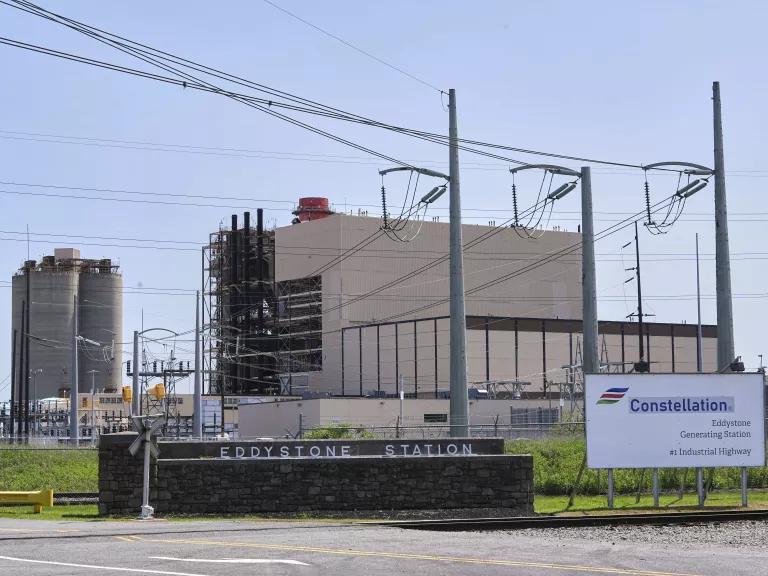
Several public advocacy groups, led by NRDC, filed a petition in the D.C. Circuit Court of Appeals to challenge the U.S. Department of Energy’s (DOE) May 2025 order to block the planned retirement of the two highly polluting units at an aging, inefficient oil and gas power plant in Pennsylvania. The owners of the Eddystone Generating Station—located along the Delaware River just south of Philadelphia—decided to close the two nearly 60-year-old units in 2023 because they were too costly to keep running. Subsequently, the regional grid operator PJM determined their loss would not harm electricity reliability. Nevertheless, under the guise of a so-called energy emergency, the DOE wants to keep the Eddystone units operational while passing the high operational costs on to consumers.
Preventing toxic spills from contaminating waterways and communities

Half of a century has passed since Congress, via the Clean Water Act, required the U.S. Environmental Protection Agency (EPA) to set rules that would prevent and contain the discharge of hazardous substances into waterways. And yet, the agency has done nothing. In 2019, the EPA even formally issued a “final action” that concluded that doing nothing was sufficient, despite Congress’s clear command. Today, NRDC, along with the Environmental Justice Health Alliance and Clean Water Action, sued the EPA for its refusal to act, asking the court to overturn the agency’s do-nothing decision and get the EPA to finally protect public health from these dangerous discharges.
Making polluters pay for climate disasters

On behalf of the Northeast Organic Farming Association and Conservation Law Foundation, NRDC is helping defend Vermont’s Climate Superfund Act, a type of polluters pay law, in lawsuits brought by the Trump administration, fossil fuel interests, and Republican-led states. Passed last year, the act would allow the state to assess costs from large fossil companies in order to fund climate adaptation projects that would help prevent further damage to communities from climate change.
Closing down dirty and expensive power plants, part 1

NRDC, together with several public interest groups, challenged the U.S. Department of Energy’s (DOE) order to keep a dirty, old, and inefficient coal-fired power plant running past its long planned closing date of May 31. Despite the DOE’s claims of a so-called energy emergency, the continued operation of the J.H. Campbell power plant in Michigan is both uneconomic and unnecessary, given that the owner of the plant has also already acquired adequate amounts of electric generation from other sources to replace its aging plant’s output. Further, the DOE’s actions undermine the typical regulatory process and legal decisions already carried out by state and regional authorities, and keeping the plant open for just 90 days would cost around $100 million.
Protecting communities from oil refinery chemical disasters

Together with partners, NRDC filed a lawsuit to force the U.S. Environmental Protection Agency (EPA) to address the threat of hydrogen fluoride (HF) used in more than 40 oil refineries across the country. HF causes serious harm to skin, muscle, bone, lungs, and other bodily tissues on contact, with sometimes fatal consequences. Despite the availability of safer alternatives, refineries store massive amounts of HF, which when released into the air forms a toxic ground-hugging fog that can travel for miles. This endangers the more than 19 million residents who live near these facilities, as well as those along train and truck routes used to transport HF. The lawsuit seeks to compel the EPA to commence rulemaking under the Toxic Substance Control Act to eliminate this unreasonable risk.
Protecting farming communities from dangerous pesticides

Along with several environmental and farmworker organizations, NRDC sued the U.S. Environmental Protection Agency (EPA) for delaying a long overdue decision on whether to prohibit organophosphate pesticides, such as Malathion, from use in the country’s food supply. These neurotoxic pesticides pose risks to people, especially children, through several sources, including food, contaminated water supplies, and airborne drift from croplands. Earthjustice petitioned the EPA in November 2021 to update its human health risk assessments of the pesticides and to revoke their use. The agency has yet to act.
Fighting to get drivers more miles per gallon

NRDC—along with the Environmental Defense Fund, Sierra Club, and the Center for Biological Diversity—sued the National Highway Traffic Safety Administration over its new rule that halts enforcement of its fuel-efficiency standards. Last summer, the previous administration set fuel-efficiency standards that would save U.S. drivers about $23 billion at the pump and avoid burning 70 billion gallons of gasoline. The legal interpretations in the Trump administration’s new rule would significantly weaken these standards.
Keeping mercury and other toxins out of our air and water

NRDC—as part of a coalition of nine environmental and community groups—sued to block the Trump administration’s illegal exemption of nearly 70 coal-fired power plants from complying with updated air pollution limits. The exemptions—granted over email without public input—allow plants in 23 states to emit dangerous amounts of the neurotoxin mercury, arsenic, benzene, and other air pollutants. While the administration claims the exemptions are necessary due to “national security interests” and a “lack of available technology,” the lawsuit charges that pollution controls are not only widely available but also currently being used by nearly all of the exempted power plants and others.
Fighting for EV charging stations

NRDC moved to intervene—with Sierra Club, Climate Solutions, Southern Alliance for Clean Energy, CleanAIRE NC, West End Revitalization Association, and Plug In America—in support of states suing the Federal Highway Administration for unlawfully suspending the National Electric Vehicle Infrastructure (NEVI) program. Congress approved the $5 billion program in 2021, under the Bipartisan Infrastructure Law, to build electric vehicle charging stations across the country to support the growing adoption of zero-emission vehicles. The lawsuit argues that the Trump administration lacks the authority to defund NEVI and asks the court to reinstate the program.
Opposing the ban on new wind power

NRDC, with several other environmental groups, filed an amicus brief supporting a lawsuit against the Trump administration’s ban on new wind farms. Last week, 17 states, Washington, D.C., and a clean energy trade association sued the administration over a presidential memorandum that essentially halts federal permits for all wind projects, unlawfully impeding the growing industry. The lawsuit asks the court to immediately overturn the ban and to tell the administration to process permits while the case moves forward.
Unfreezing climate funds

NRDC filed an amicus brief in support of a district court ruling that ordered the U.S. Environmental Protection Agency (EPA) to stop its efforts to withhold billions in grants within the Greenhouse Gas Reduction Fund. On top of the agency offering no rational explanation for canceling the grants, the judge stated, “EPA lacks the authority to effectively unilaterally dismantle a program that Congress established.” The agency is now appealing the decision but incorrectly claims it can replace these climate action funds or spend them in other ways. As NRDC argues, such unconstitutional actions could cause “$20 billion that Congress lawfully appropriated to achieve its policy objectives [to] be lost forever.”
VICTORY: USDA to return climate change information to website
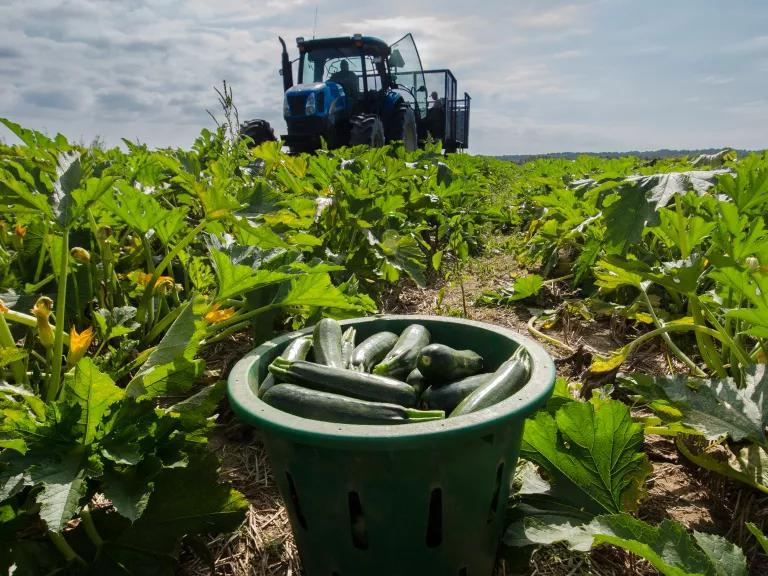
After NRDC and partners sued the U.S. Department of Agriculture (USDA) in February 2025 for illegally removing information on climate change from its website, the agency—in a letter filed in the U.S. District Court of Southern New York—has agreed to restore the content and comply with federal laws regarding those web materials in the future.
Keeping the federal government working for the people

NRDC joined a lawsuit with a sizable coalition of federal employee unions, nonprofit groups, and local governments to challenge the Trump executive order that instructed federal agencies to radically restructure and layoff huge numbers of staff. Such drastic reductions in workforce prevent the agencies from providing essential public services and fulfilling their duties under the law.
The lawsuit argues that only Congress has the authority to transform the federal government in this way and asks the court to stop the implementation of the executive order, which violates the bedrock constitutional principle of the separation of powers.
Protecting the First Amendment, with strange bedfellows

On April 9, NRDC joined an amicus brief in support of Perkins Coie, a law firm that President Trump seeks to punish via an executive order for representing clients and causes with which he disagrees. The order, along with similar ones targeting other firms, is part of a pattern of attacks on the judicial system and an effort to silence dissent and undermine the rule of law. While NRDC and Perkins Coie have a history of fighting on opposing sides of environmental lawsuits, NRDC stands with the firm now in its defense of our shared constitutional right to challenge the government.
On April 11, NRDC also joined amicus briefs in support of similar First Amendment lawsuits filed by two additional law firms—Wilmer Cuttler Pickering Hale and Dorr LLP and Jenner and Block LLP—against the U.S. Department of Justice and other governmental defendants.
Securing climate information for farmers

Preston Keres/USDA FPAC
NRDC and other partners, represented by Earthjustice, sue the U.S. Department of Agriculture (USDA) for illegally purging climate change information from its website. Trump’s USDA violated the Freedom of Information Act, the Paperwork Reduction Act, and the Administrative Procedure Act when it removed resources that are vital to the country’s farmers. Some of the information included details on how to reduce pollution, access billions of dollars of funds for conservation practices, and farm more effectively amid extreme weather. The lawsuit seeks a court order requiring the restoration of the webpages and that the agency adhere to the law when making future changes to its website. (VICTORY: See May 12, 2025.)
Defending U.S. waters from offshore drilling

An offshore oil rig in the waters of Huntington Beach, California
Wray Sinclair for NRDC
NRDC, along with Earthjustice and other partners, sue the Trump administration over an executive order that would illegally open more than 625 million acres of U.S. waters to offshore oil and gas drilling. Through the Outer Continental Shelf Lands Act (OCSLA), President Biden permanently protected these areas within the Atlantic and Pacific oceans, eastern Gulf of Mexico, and the Beaufort, Chukchi, and Bering seas. NRDC, Earthjustice, and our partners also filed a motion to reinstate a court order that overturned a 2017 executive order in which Trump attempted to revoke OCSLA protections put in place by President Obama.
NRDC is fighting back in court to stop the most dangerous rollback we’ve seen
The Trump administration just weakened its own mandate to fight climate change by repealing the endangerment finding—the government’s official determination that climate pollution threatens our health and our planet. This decision is dangerous. It’s also illegal. We will see them in court, and we will win. But we need you with us.
Related Content

Trump’s Dirty Energy Double Whammy: Pay More for Fuel and Power—and Use More of It

Trump Administration Readies the Axe for Nearly 45 Million Acres of Public Forests

Conservation Law Foundation v. Trump (2026 Northeast Canyons defense)
What to Expect in Key EPA Cases on PFAS and Lead in Drinking Water
